

For executives and senior leaders, Incident Management is not an operational detail, it is a governance, risk, and leadership responsibility. The manner in which incidents are anticipated, escalated, and managed directly influences employee safety, business continuity, legal exposure, and organisational reputation.
In high-risk operating environments, leadership teams cannot rely on improvisation or fragmented responses once an incident has occurred. A formal Incident Management framework provides executives with assurance that there is clear command, defined decision authority, and consistent response across the organisation when pressure is highest. Most importantly, it enables leaders to fulfil their duty of care, maintain control during critical events, and demonstrate to stakeholders that risk is being actively managed rather than passively absorbed.
In parallel, the Occupational Health and Safety Act places a clear legal duty on employers and senior management to provide and maintain, as far as reasonably practicable, a working environment that is safe and without risk to the health of employees.
Effective Incident Management directly supports this obligation by ensuring that foreseeable threats to life, health, and safety are anticipated, managed, and reviewed, thereby reducing liability exposure while reinforcing a culture of care, compliance, and responsible leadership.
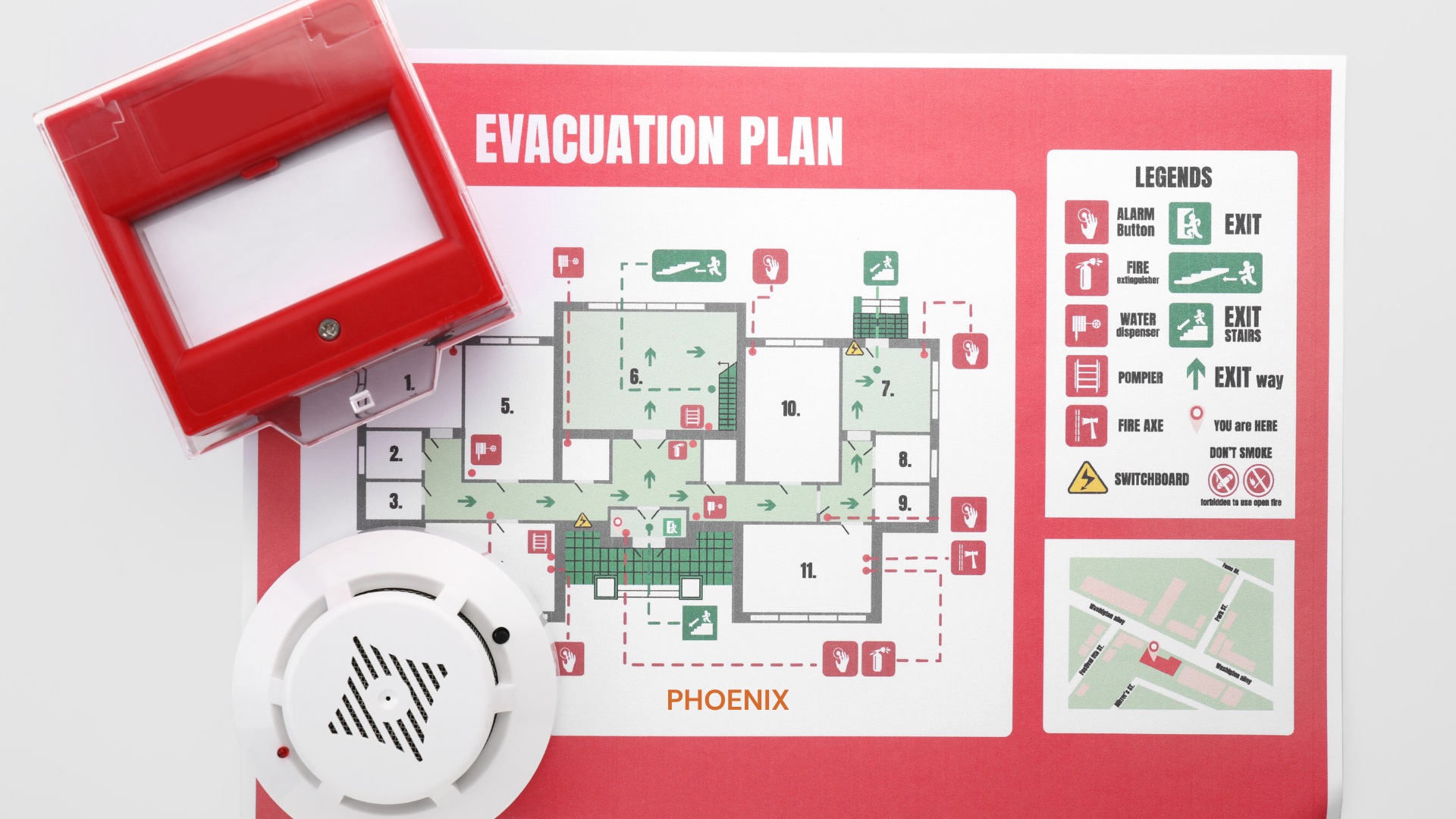

Incidents are no longer confined to a single location or function. Organisations today face a broad spectrum of risks, operational disruptions, cyber incidents, health and safety events, security threats, and crises that extend beyond the workplace into staff travel and even the home environment. As leaders, our obligation is not only to ensure business continuity, but to exercise our duty of care to safeguard our people under all foreseeable circumstances.
Preparation, therefore, is not measured by whether we have a plan on paper. It is measured by whether we have clarity of roles, tested response arrangements, and a culture that places safety and readiness at the heart of decision-making. This includes our ability to anticipate incidents, respond decisively when they occur, and recover while learning and improving from each event.
Our responsibility extends to:
•
Protecting people while they are at work through effective health, safety, and incident management systems
•
Supporting their safety while travelling on behalf of the organisation through clear guidance, risk awareness, and escalation support
•
Recognising emerging risks at home, such as remote working environments, fatigue, mental wellbeing, and crisis exposure and ensuring appropriate support mechanisms are in place